What to Wear to Your First Swim Lesson: Complete Checklist
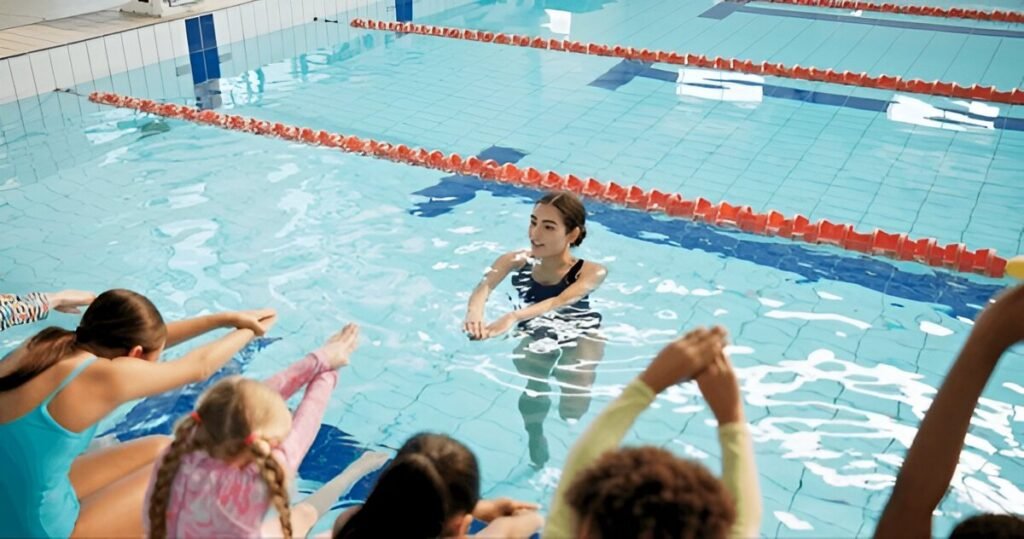
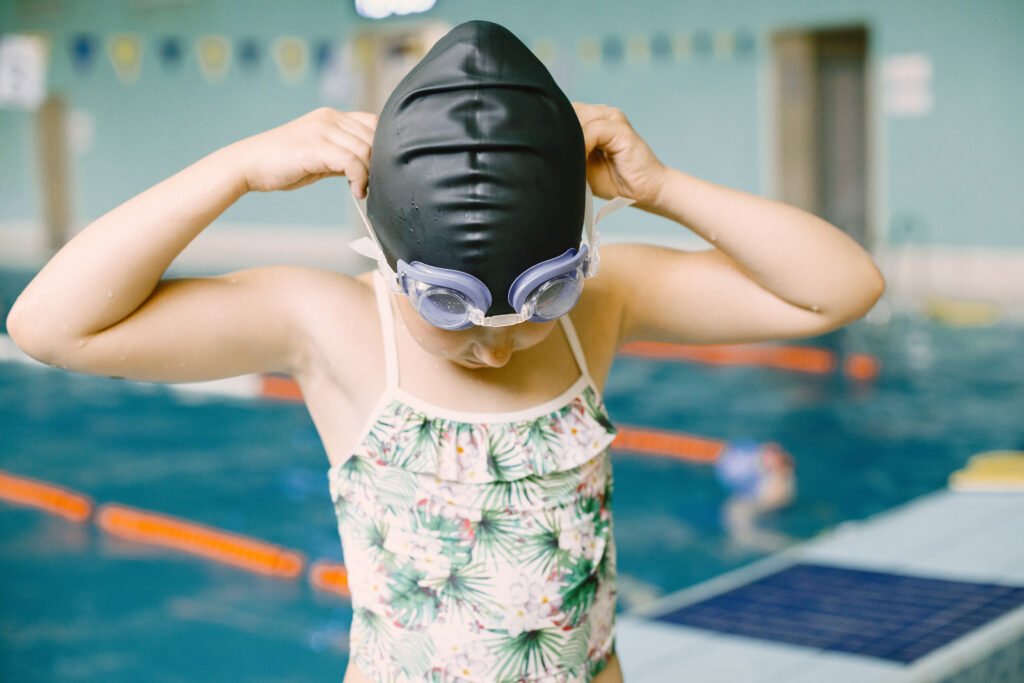
I still remember my first day as a private swim instructor more than 30 years ago. A little boy named Gregg stood shivering by the pool, his fingers curled tightly around a fluffy towel. His mom looked just as nervous, double-checking her bag every few seconds. That’s when it hit me—starting swim lessons isn’t just about courage; it’s about feeling prepared. Over the years, I’ve guided thousands of beginners, from wobbly toddlers to hesitant adults. Almost everyone arrives with that same question: “Am I forgetting something?” Consider this your personal packing guide—a heartfelt, practical checklist from someone who’s been in your shoes. 1. Swimwear: Where Comfort Meets Confidence Little Gregg taught me an unforgettable lesson. He showed up in loose, knee-length swim trunks—adorable, but impractical. In the water, they ballooned around his legs, making every kick a struggle. The following day I got his mom convinced to switch him to fitted swim shorts, and suddenly, he was gliding. Here’s what truly works: For kids, snug but stretchy suits work best—think one-pieces for girls and brief-style trunks for boys. Adults should prioritize comfort and freedom of movement. When shopping, lean toward polyester blends. They dry quickly and resist chlorine damage better than cotton. Little girls in two-piece suits are really cute, but if they have to spend time trying to hold the bottoms on or pulling the top down when jumping in, they will not feel comfortable. 2. Goggles: NOT ALLOWED Goggles are NOT ALLOWED until the student has reached a level where they can open their eyes in the water and swim to a wall for safety. No exceptions. 3. Swim Caps & Hair Ties Caps are not essential, but they are especially helpful for girls or boys with long hair to keep it out of their faces. For beginners, start with a soft, stretchy Lycra cap. Later, you can upgrade to silicone for better durability. HAIR TIES: These are an absolute must-have with long hair. This is for their safety; they have to be able to see and breathe without hair in their face. Some kids don’t like hair ties, but it’s not an option here with long hair that isn’t put up in a cap. 4. Towels & Footwear Pack one large, absorbent towel (hooded is a bonus), plus non-slip flip-flops or water shoes. Pool decks can get scorching hot. Many online retailers sell “swim lesson starter packs” that bundle these essentials together. 5. The Swim Bag I recommend a dedicated swim bag with separate wet and dry compartments. Mesh bags work wonderfully for wet gear, while insulated side pockets keep drinks cool. 6. Leave These at Home Jewelry can get lost or cause injury, and cotton clothes become heavy when wet. Absolutely no floaties; they often give a false sense of security. Instead, wait for your instructor to recommend training aids like kickboards or pull buoys once your child is ready. The first step is independence and having the skills to be safe. 7. The Intangible Essential: Your Mindset Arrive a little early, breathe deeply, and focus on the fun. Progress in the water isn’t always linear, and that’s perfectly okay. Fun Activity Suggestions for Your Birthday Party Note: The following games are suggestions for parents to run during their private birthday party rentals. While we provide the safe environment and professional lifeguards, Mindy is not responsible for organizing or running these activities. Parents are encouraged to lead the fun and provide any prizes for the winners! Treasure Hunt: Toss non-weighted toys for kids to find. Invisible Bottle: Fill a clear bottle with pool water—it’s harder to find than you think! Ping Pong Race: Blow on the balls to get them across the pool. Human Bridge: Swim through the legs of friends. Noodle Races: Gallop across the water on pool noodles. Your Ready-to-Use Shopping List Essentials: Fitted swimsuit (polyester/nylon) Hair ties (Absolute must for long hair) Lycra or silicone swim cap Large hooded towel Non-slip water shoes or flip-flops Wet/dry swim bag Reusable water bottle Important Rules: No goggles (until safety levels are met) No floaties No nose plugs or scuba masks Only Dr. prescribed ear plugs can be used. Do not invest in them just because a child doesn’t like water in their ears.
What to Wear to Your First Swim Lesson: Complete Checklist Read More »